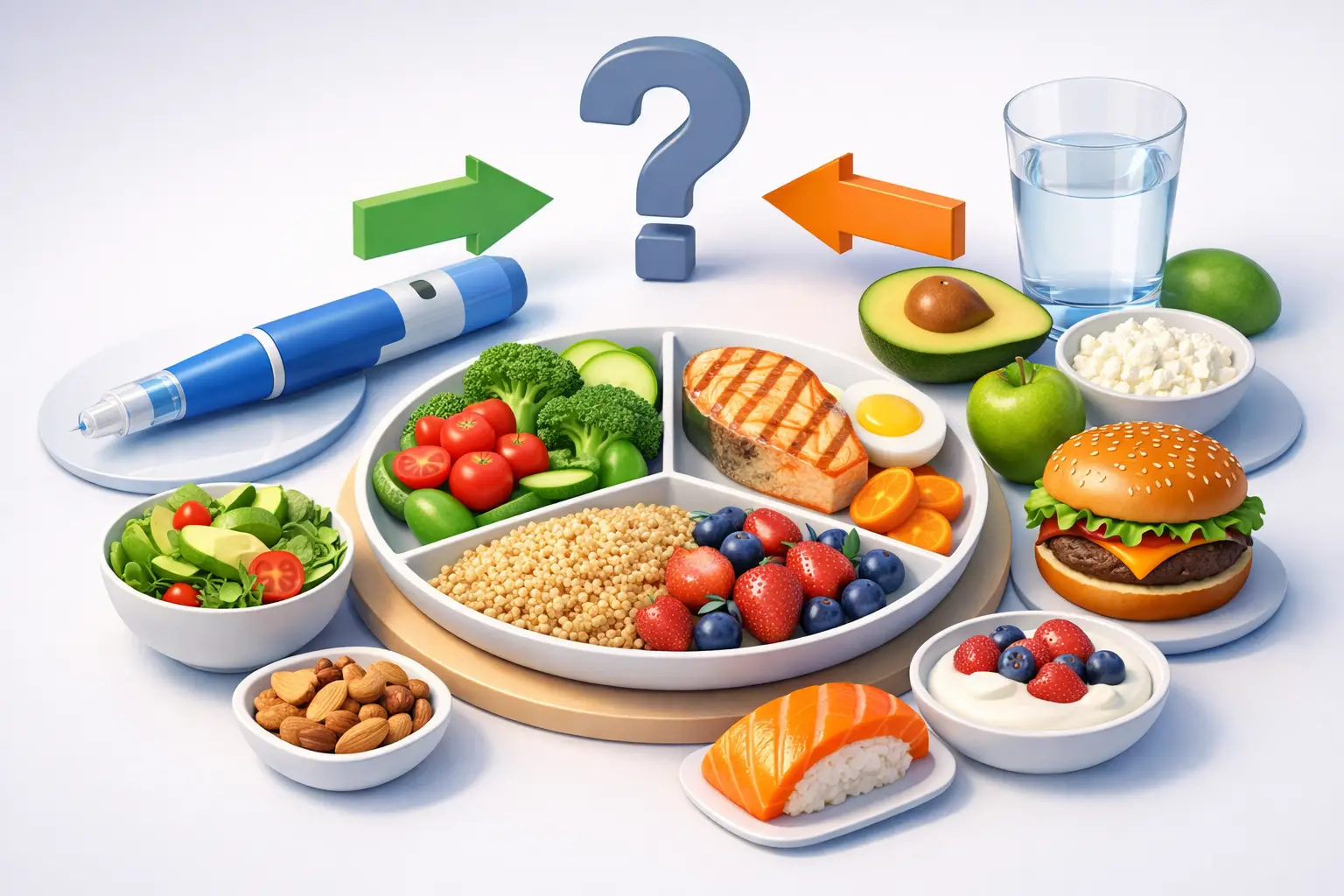
Some days on Ozempic, the question is not “what sounds healthy?” It’s “what can I actually face eating without feeling worse?” If you’re wondering what can you eat on Ozempic, the short answer is this: simple, protein-first meals, easy-to-digest foods, and anything your stomach can tolerate consistently.
That might look less like a perfect meal plan and more like yoghurt at 10am, half a sandwich at lunch, and scrambled eggs for tea. That still counts. When appetite is low or nausea is hanging around, eating something sensible and manageable is usually better than waiting until you feel ravenous, sick, or completely put off food.
What can you eat on Ozempic day-to-day?
Ozempic changes appetite, digestion, and fullness. So the best foods are usually the ones that give you decent nutrition without sitting heavily in your stomach. In practice, that often means meals with protein, some fibre, and a texture or portion size that feels easy rather than overwhelming.
A lot of people do well with foods like Greek yoghurt, cottage cheese, eggs, chicken, fish, tofu, lentils, oats, berries, toast, rice, soups, soft fruit, cooked vegetables, and simple sandwiches or wraps. These are not magical Ozempic foods. They just tend to be easier to tolerate and more useful nutritionally when you’re eating less overall.
Protein matters because Ozempic can make your total food intake drop quickly. If that happens without enough protein, you may feel weaker, less satisfied, and more likely to skip meals altogether. Fibre matters too, but this is where it depends. Some people feel better with porridge, beans, veg and fruit. Others find high-fibre meals too much when nausea is bad. If your stomach is touchy, go gentler and build up slowly.
The best foods to focus on
Think in terms of “small but worthwhile”. You do not need huge salads or heavy meals to eat well on Ozempic. You need food that gives your body something useful without making your symptoms harder.
Protein that feels manageable
Start here if you’re not sure what to eat. Protein helps with fullness, muscle maintenance, and steadier energy. It can also stop the all-day grazing that sometimes happens when proper meals feel unappealing.
Good options include eggs, skyr or Greek yoghurt, chicken breast, turkey slices, tuna, salmon, prawns, tofu, edamame, cottage cheese, protein porridge, and soups with beans or lentils. If solid food feels like too much, a smoothie with yoghurt, milk and fruit can work well. The goal is not perfection. It’s finding a few reliable options you can return to.
Carbs that are easy on the stomach
Carbohydrates are not the enemy here. In fact, when nausea kicks in, plain carbs are often the first thing that feels doable. Toast, crackers, oats, rice, potatoes, cereal, pasta, and bananas can all help take the edge off an unsettled stomach.
The trick is pairing them where possible. Toast on its own may be all you can manage at one point, and that is fine. But if you can add peanut butter, eggs, yoghurt or a bit of cheese later, that will usually keep you going for longer.
Fruit and veg without the pressure
You do not need to force giant portions of vegetables if your appetite is tiny. Cooked veg, soups, smoothies, stewed fruit, berries, melon, cucumber, tomatoes, mashed veg, and softer textures often go down more easily than a raw, crunchy salad.
If constipation is an issue, fruit, veg, pulses, oats and hydration can all help. If bloating is the bigger problem, keep portions modest and pay attention to what your body actually likes.
Foods that often feel harder on Ozempic
There is no banned food list, but some foods are more likely to make side effects worse. Rich takeaways, greasy fried food, very creamy meals, big portions, lots of alcohol, and heavily sugary foods can sit badly for some people. They may increase nausea, reflux, bloating, or that unpleasant overfull feeling that seems to last for hours.
That does not mean you can never have them. It means portion size and timing matter more now. A few chips might be fine. A large, greasy meal late at night might not be. This is where people can get caught out - not because the food is “bad”, but because Ozempic slows digestion and your usual portion may suddenly feel completely different.
How to eat when you feel sick
This is usually the real issue. It’s not that you don’t know what healthy food looks like. It’s that nausea changes the whole game.
On rough days, cold foods are often easier than hot ones because they smell less strong. Dry toast, oatcakes, plain crackers, yoghurt, cereal, banana, rice, applesauce, plain noodles, soup, and small portions of chicken or egg can be a good place to start. Ginger tea or ginger biscuits may help some people. Peppermint can help others.
Try not to let yourself get too hungry. That sounds backwards when you feel queasy, but an empty stomach can make nausea worse. Small amounts every few hours often work better than trying to push through a full plate.
If appetite is tiny
When you’re barely hungry, every bite needs to work harder. A few mouthfuls of protein yoghurt are usually more useful than nibbling random snack foods all day. The same goes for toast with peanut butter instead of plain toast, or soup with lentils instead of just broth.
This is also the time to keep “safe foods” in the house. Not aspirational foods. Foods you will actually eat. That might be yoghurt pouches, baby potatoes, bagels, soup, eggs, fruit, protein mousses, or frozen meals you know sit well. Convenience counts, especially in the first day or two after your injection if that’s when symptoms hit hardest.
A realistic way to build meals
You do not need a complicated plan. A simple structure is enough: protein first, add an easy carb, then include fruit or veg if you can.
Breakfast might be Greek yoghurt with berries, porridge made with milk, eggs on toast, or a banana with a protein shake. Lunch could be soup with bread, a wrap with chicken, tuna and crackers, or cottage cheese with a baked potato. Tea might be salmon with rice, scrambled egg on toast, tofu noodles, or a small portion of chicken with mash and cooked carrots.
Snacks can do a lot of heavy lifting too. Cheese and crackers, yoghurt, fruit with nut butter, boiled eggs, edamame, a milky coffee and toast, or a small smoothie can bridge the gap when full meals feel impossible.
What about treats, takeaways and eating out?
You can still have them. The useful question is not “am I allowed this?” It’s “how will this probably make me feel?” That shift matters.
You may find that richer foods are easier in very small portions. You may need to stop before you feel completely full, because on Ozempic that line can arrive late and hit hard. If you’re eating out, slower is better. Split portions if needed. Choose something with protein that is not swimming in oil or cream if your stomach is sensitive.
Plenty of people can still enjoy a takeaway, a roast, or pudding now and then. They just do better with less of it. That is not failure. That is learning your new normal.
A few signs your food routine needs adjusting
If you’re skipping meals for hours, feeling weak, getting headaches, struggling with constipation, or realising most days have very little protein, it may be time to make eating easier and more intentional. The answer is usually not stricter rules. It’s simpler food, better timing, and less pressure to eat like your pre-Ozempic self.
This is where a bit of personalisation helps. Some people feel worst for 24 to 72 hours after injection and need plainer, smaller meals in that window. Others are fine most of the week but forget to eat until late afternoon. Patterns matter. Once you spot yours, food choices get a lot less confusing.
If you want support with that kind of day-by-day planning, Sillynutrition is built for exactly this sort of real-life GLP-1 eating - not fantasy meal prep, just practical help that fits your appetite, symptoms and routine.
When to get medical advice
If you’re vomiting often, unable to keep food or fluids down, losing weight very rapidly, or your side effects feel severe, speak to your prescriber or GP. Ongoing nausea and very low intake should not just be pushed through.
You do not need to eat perfectly on Ozempic. You just need food that you can tolerate, repeat, and build on. Some days that will be a proper meal. Some days it will be toast, yoghurt and a small win. Both can move you forward.