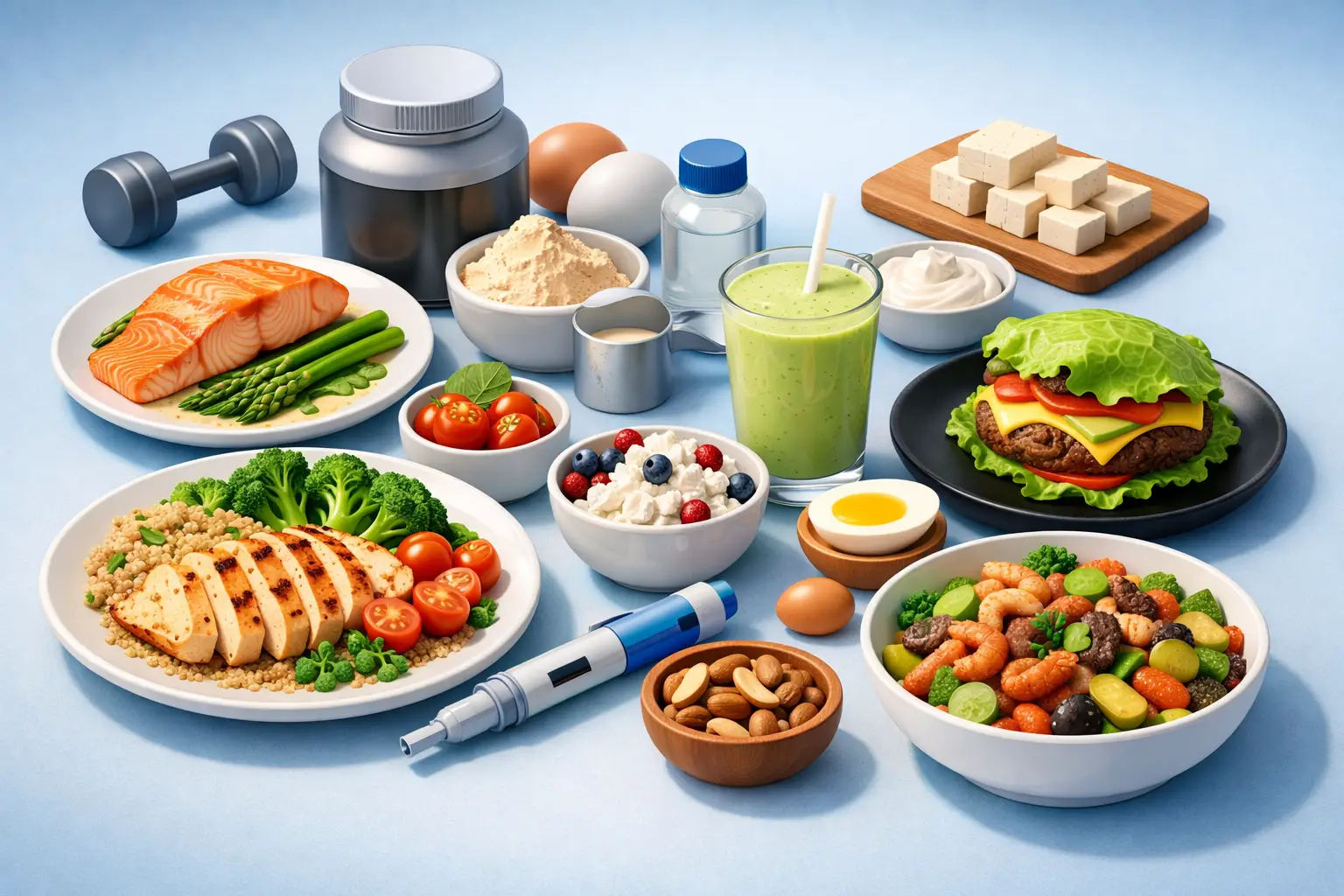
Some days on semaglutide, a full meal feels fine. Other days, three bites in and you are done. That is exactly why semaglutide high protein recipes need to work harder than standard healthy meals. They need to be easy to eat, gentle when your stomach is a bit off, and packed with enough protein that small portions still do something useful.
If that sounds familiar, you are not failing at meal planning. Your appetite has changed. Your fullness cues have changed. Sometimes your tolerance for smells, textures and heavy foods changes too. So the goal is not to force big meals. It is to make the food you can manage count.
What makes semaglutide high protein recipes actually helpful?
A lot of high-protein recipe round-ups miss the point. They assume you want huge portions, lots of chewing, and meals built around constant hunger. That is not how many people feel on GLP-1 medication.
The most useful semaglutide high protein recipes usually have four things in common. They keep portions moderate, they use easy-to-digest ingredients, they do not rely on loads of grease or spice, and they give you a decent amount of protein without turning every meal into dry chicken breast and misery.
It also depends on where you are in your injection cycle. You might want cooler, lighter meals in the first day or two if nausea is louder, then move towards more solid, filling meals when your appetite settles a bit. There is no gold star for eating the same way every day.
10 semaglutide high protein recipes worth saving
1. Greek yoghurt protein bowl with stewed berries
This is one of the easiest breakfasts when chewing feels like effort. Use thick Greek yoghurt or a high-protein yoghurt, then spoon over soft berries stewed with a splash of water. Add chia seeds or crushed nuts if texture is okay that day.
It works because it is cold, soft and quick. If mornings are rough, this is often easier than eggs. If dairy sits badly, a lactose-free option can be kinder.
2. Soft scrambled eggs with cottage cheese on toast
Stir a spoonful of cottage cheese into eggs before cooking. It makes them softer and bumps up the protein without making the portion massive. Serve on one slice of toast if you want something plain alongside.
This is a good option when you need something savoury but not heavy. If toast feels too much, skip it. The eggs still do the job.
3. Chicken and red lentil soup
Soup can be a lifesaver when solid food is not appealing. Simmer red lentils with carrots, stock and cooked shredded chicken until everything is soft. Blend it smooth if that feels easier.
The win here is that you get protein from both the chicken and lentils, plus fluid if you have been eating less. Keep seasoning simple if your stomach is unpredictable. A squeeze of lemon at the end can freshen it up without making it rich.
4. Tuna jacket potato with Greek yoghurt mayo
Mix tuna with Greek yoghurt and a little mayonnaise, then pile it into a baked potato. You can keep the portion small and save the rest for later.
This is useful because it gives you protein and carbs in a pretty manageable format. If a full jacket potato feels too much, use half. Small wins still count.
5. Turkey mince ginger rice bowl
Cook turkey mince with grated ginger, a little soy sauce and finely chopped courgette or spinach. Serve over a small scoop of rice.
Ginger can be helpful on queasy days, and turkey mince is usually lighter than fattier meats. Keep the flavours simple. This is not the day for a fiery sauce if your stomach is already negotiating.
6. Blended cottage cheese pasta sauce
Blend cottage cheese with a splash of milk, grated Parmesan and a little garlic if tolerated. Stir through warm pasta with peas or shredded chicken.
This is one of those meals that sounds odd until you try it. The sauce is creamy, high in protein and softer than a tomato-heavy pasta dish, which can be a better fit for reflux-prone days.
7. Salmon fishcakes with peas
Mix cooked salmon with mashed potato and an egg, form into small fishcakes, then bake or pan-cook with minimal oil. Serve with peas or tender green beans.
Fish can be easier for some people than meat, but not for everyone. If smells put you off, this might be one for a better appetite day. When it works, though, it is a solid option that does not feel like diet food.
8. Tofu egg-fried rice
Use cooked rice, scrambled egg, crumbled firm tofu and frozen peas for a quick pan meal. Season lightly with soy sauce and a bit of sesame oil.
This is great if you want a softer plant-based option with extra protein. Tofu takes on flavour well and is often easier to chew than dense meat. If you are having one of those days where texture is everything, keep the vegetables small and soft.
9. Protein porridge with banana
Make porridge with milk for extra protein, then stir in a scoop of plain or vanilla protein powder after cooking. Top with mashed banana or a spoonful of peanut butter.
This is warm, mild and easy to adjust. If a full bowl is too much, make a half portion. Protein still matters even when the meal looks small.
10. Chicken hummus wrap plate
Spread hummus on a small wrap, add sliced chicken and cucumber, then roll it up. Or skip the wrap and turn it into a snack plate if eating things separately feels easier.
This kind of flexible meal matters more than people think. Some days you can manage a wrap. Some days you pick at chicken, cucumber and hummus over half an hour. Both are valid.
How to make high-protein meals easier on low appetite days
The biggest shift is letting go of the idea that every meal needs to be big and perfectly balanced. On semaglutide, smaller meals often work better, especially if you are dealing with early fullness or nausea. A modest portion with 20 to 30 grams of protein can be far more realistic than a giant plate you cannot finish.
Texture matters too. Soft foods tend to win when appetite is low. Yoghurt, eggs, soups, tender fish, mince, porridge and blended sauces can feel much more manageable than dry meat or crunchy salads. That does not mean salads are bad. It just means they are not always the right call on a rough day.
Temperature can help. Cold or room-temperature meals often have less smell and can be easier to tolerate. If hot food turns your stomach, try yoghurt bowls, tuna potato, a small smoothie, or leftover chicken and rice served cool.
A few protein mistakes that can make things worse
More protein is not always better if the meal becomes too rich to eat. A giant shake with lots of powder, nut butter, oats and full-fat milk might look impressive, but if it leaves you feeling overly full or sick, it is not helping.
The same goes for greasy high-protein foods. Sausages, heavy cheese sauces and fried food can be harder to tolerate on semaglutide, especially around the time side effects are strongest. Sometimes plain is smart, not boring.
It is also easy to leave protein until dinner, then realise you have barely eaten all day and now a proper meal feels impossible. Spreading protein across breakfast, lunch and small snacks usually works better. Think less feast, more gentle drip-feed.
When meal prep helps and when it does not
Meal prep can be brilliant if it removes decisions. A few ready-to-go portions of soup, egg muffins, cooked chicken or fishcakes can save you from the 6 pm what-can-I-even-face moment.
But there is a catch. If your symptoms change day to day, rigid prep can backfire. Making five identical meals is great until one smell suddenly puts you right off. It is often better to prep mix-and-match basics instead. Cook protein, keep a few carb options ready, and have soft add-ons like yoghurt, cottage cheese or hummus in the fridge.
That is one reason tools that adapt to your appetite are more useful than generic meal plans. Sillynutrition was built around real GLP-1 eating patterns, including those odd days where the win is simply finding something that sounds possible.
What to keep in the kitchen for fast wins
A helpful fridge does not need to be fancy. Greek yoghurt, eggs, cottage cheese, cooked chicken, tuna, tofu, milk, frozen peas, microwave rice, porridge oats, bananas and potatoes go a long way. These are not glamorous ingredients, but they make quick, realistic meals.
If nausea is part of the picture, ginger tea, plain crackers and simple broths can also help you bridge the gap until a fuller meal feels doable. Not every bite has to be perfect. It just needs to move you forward.
You do not need more food rules. You need meals that meet you where you are, whether that is a proper dinner or three spoonfuls of yoghurt that stayed down. Start there, keep protein easy, and let practical wins count.