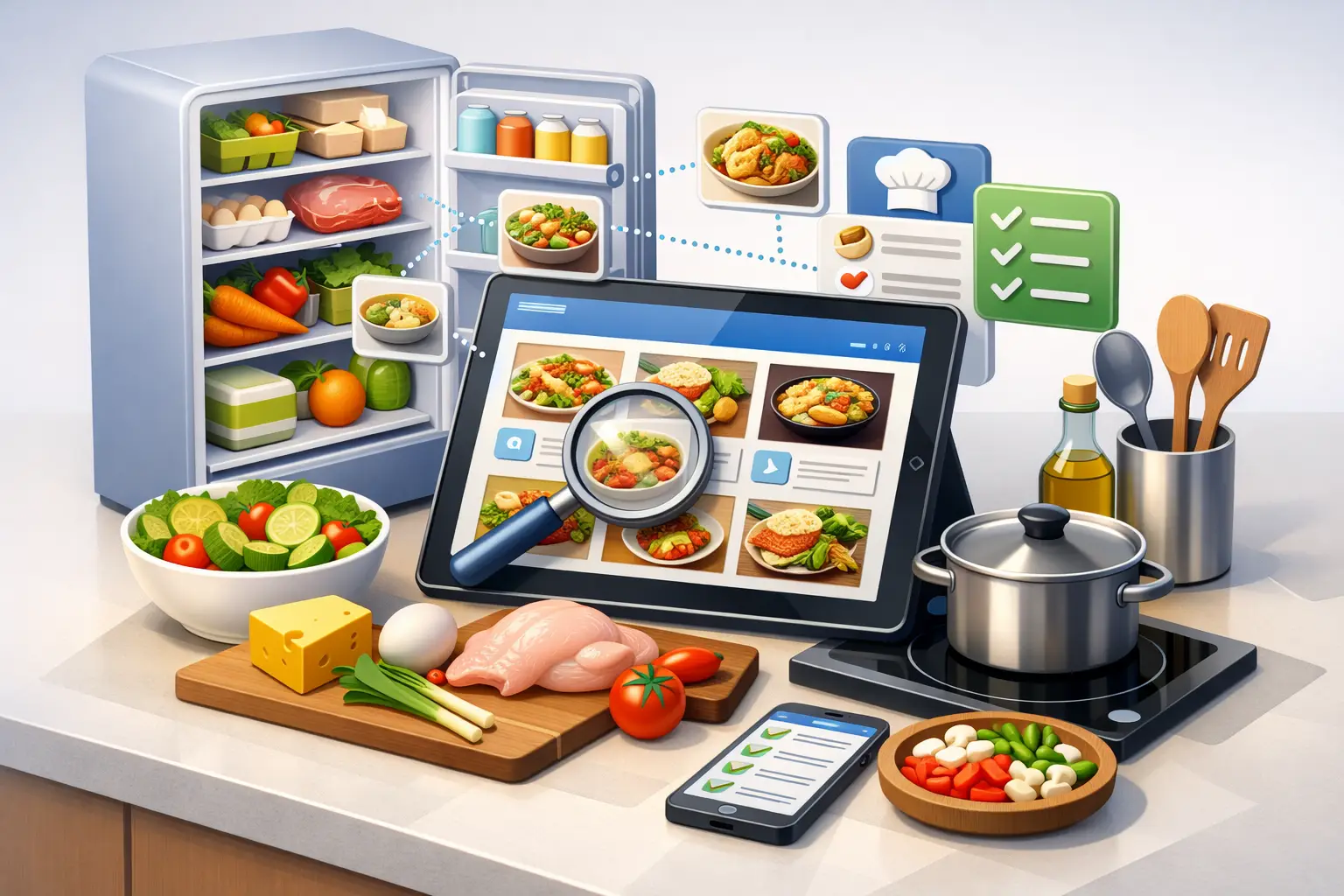
You open the fridge, stare at half a pack of spinach, two eggs, a lonely yoghurt and some cooked chicken, then shut the door like the answer might appear on its own. That exact moment is why a meal planner from fridge ingredients is so useful. It takes the mental load out of eating, especially when your appetite is all over the place, your energy is low, or you just cannot face another supermarket trip.
For a lot of people, meal planning sounds like a very organised Sunday activity involving matching containers and a whiteboard. Real life is usually less tidy. Real life is leftovers, odd bits, food you meant to use yesterday, and days when even choosing lunch feels like admin. A smarter approach starts with what you already have, then builds meals around that.
Why a meal planner from fridge ingredients works so well
The biggest win is not just saving money. It is removing friction. When you already feel stretched, hungry-but-not-hungry, or unsure what you can tolerate, decision fatigue gets loud fast. Starting with your fridge means fewer choices and quicker answers.
It also helps reduce waste without making food feel like a chore. Most of us are not throwing food away because we do not care. We are busy, tired, distracted, or dealing with changing hunger cues. If you are on GLP-1 medication, that can be even more true. Foods you fancied two days ago might suddenly feel too rich, too heavy or just not doable. Planning from what is actually in front of you is far more realistic than planning around an ideal week.
There is also a comfort factor. Familiar ingredients feel easier to manage, especially on nausea-prone days or when your appetite has gone missing. You do not need ten new ingredients and a complicated recipe. You need something simple that works.
What makes a good meal planner from fridge ingredients
Not all meal planning tools get this right. Some are basically recipe databases with a search bar. That is helpful up to a point, but it still leaves you doing the hard bit - figuring out what to make from random combinations.
A genuinely useful tool should take a handful of ingredients and give you realistic meal options, not aspirational ones. If you have eggs, mushrooms, a wrap and some cheese, it should suggest something easy like a breakfast wrap, omelette or quesadilla. It should not decide now is the perfect time for a six-step bake with ingredients you do not own.
It also needs to understand context. If you are eating for better energy, more protein or gentler meals during a rough medication day, the suggestions should reflect that. Personalisation matters here. The best meal is not the fanciest one. It is the one you will actually eat.
The real-life benefits on busy or low-appetite days
Some days, feeding yourself feels weirdly complicated. You know you should eat something, but nothing sounds good. Or you want something high in protein, but the thought of cooking turns your stomach. This is where planning from fridge ingredients can make the difference between skipping meals and getting something manageable on the plate.
Small, low-effort meals often work better than trying to produce a perfect one. Cottage cheese on toast with sliced tomato. Scrambled eggs with spinach. Yoghurt with berries and oats. Leftover chicken folded into soup. None of these are dramatic. That is the point.
For GLP-1 users, this can be especially helpful around appetite dips or nausea windows. A rigid plan that tells you to make a large chicken traybake at 7pm might be useless on the day. A flexible system that looks at what is in your fridge and suggests a lighter, protein-forward option is much more supportive.
How to use your fridge ingredients better
You do not need to become a meal prep person overnight. A few simple habits make this much easier.
Start by thinking in building blocks rather than recipes. Protein, carbs, fats, fibre and flavour. If you have one or two options from each, you can usually pull together something decent. Cooked chicken, eggs, Greek yoghurt or tofu cover protein. Bread, wraps, rice or potatoes cover carbs. Salad leaves, frozen veg or tomatoes add fibre and volume. Pesto, soft cheese, herbs or sauces bring flavour.
Then think in formats. Bowls, wraps, omelettes, soups, toast, pasta and picky plates are all forgiving. They work well with bits and pieces. If your fridge looks random, these formats make random food feel intentional.
It also helps to spot your use-first ingredients. Spinach going soft, opened hummus, half a pepper, cooked mince from yesterday. Build around those first. That one shift cuts waste fast.
When meal planning gets too rigid, it stops being helpful
A lot of meal planning advice quietly assumes you have the same appetite every day, plenty of time, and no curveballs. That is not how most people live. It is definitely not how many GLP-1 users feel week to week.
Some days you may want a proper meal. Some days a snack plate is a win. Some days cold food is easier than hot food. A good plan leaves room for that. It gives you options, not rules.
This is also why calorie-heavy or diet-style planning often misses the mark. If the focus is restriction, numbers or trying to be perfect, meals start to feel stressful. A better approach is practical. What can you eat today that feels doable, balanced and kind to your body? Sometimes that is a chicken rice bowl. Sometimes it is toast and yoghurt. Both can fit.
Tech can help, if it actually understands real eating
AI meal tools are everywhere now, but plenty of them still feel like they were built by people who have never opened a half-empty fridge on a Wednesday evening. The useful ones solve a real problem. They cut decision time, work with the food you already have, and adjust to your needs.
That is where an app-based approach can be genuinely helpful. Instead of searching ten recipes and giving up because each one needs an extra ingredient, you can get suggestions based on what is already in your kitchen and what kind of meal you can tolerate. Faster decisions. Less waste. Less mental clutter.
For people who want extra support, Sillynutrition is built around exactly that kind of real-life planning. Its AI Chef can create meals from fridge ingredients, while the wider app also supports symptom-aware choices, protein-focused meals and everyday nutrition planning without turning food into homework.
What to keep in the fridge for easier meals
You do not need a perfect fridge, but a few flexible staples go a long way. Eggs are useful because they can become breakfast, lunch or a quick evening meal. Greek yoghurt works for breakfast, snacks and sauces. Cooked chicken, tofu or grated cheese can rescue meals when energy is low. Bagged salad, microwave rice, cherry tomatoes and wraps make throwing something together much easier.
Frozen food matters too. It is not a backup option. It is often the reason dinner happens at all. Frozen veg, berries, edamame and pre-portioned fish can save a weeknight and reduce waste.
The trick is not buying a huge haul with good intentions. It is keeping a small set of ingredients that mix and match easily.
The best meal plan is the one that meets you where you are
There is no gold star for making every meal from scratch. There is no failure in repeating the same three safe lunches if they work for you. And there is no point forcing yourself into a meal plan that looks good on paper but falls apart in real life.
A meal planner from fridge ingredients works because it starts from reality. What you have. What you can manage. What sounds okay today. That might not feel glamorous, but it is often the difference between feeling stuck and feeling fed.
If eating has felt confusing lately, start smaller than you think. Open the fridge. Pick one protein, one carb, one veg and one flavour. Let simple count. Sometimes the best support is not more willpower. It is having one less decision to make.