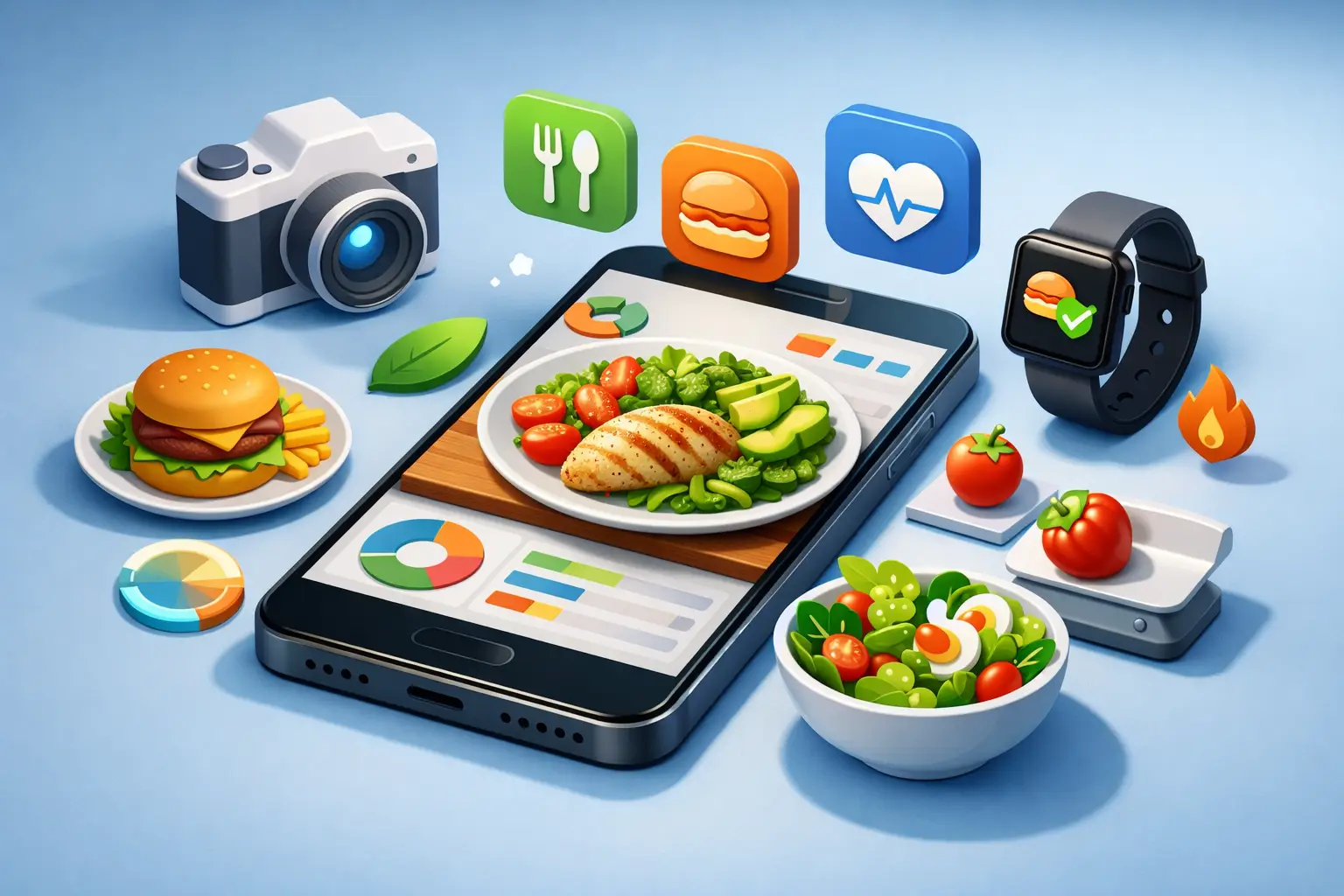
You snap a photo of lunch, get an instant estimate, and feel like tracking might finally be less of a faff. That is the main appeal of a food image calorie tracker. It cuts out some of the manual logging that puts people off in the first place. But if you have ever looked at a bowl of pasta and thought, “There is no way that’s right,” you are not imagining it.
Photo-based tracking can be genuinely useful. It can also be wildly off, depending on the meal, the portion, the lighting, and the app behind it. If you are using GLP-1 medication, or simply trying to eat in a way that feels more consistent and less stressful, the real question is not whether this tech is clever. It is whether it helps in real life.
What a food image calorie tracker actually does
A food image calorie tracker uses AI to look at a photo of your meal and guess what is on the plate. Then it estimates calories and, in some apps, protein, carbs and fat too. The better versions do more than recognise “salad” or “toast”. They try to identify ingredients, portion sizes and common meal combinations.
That sounds simple enough, but food is messy. A chicken wrap could be lightly filled or absolutely stuffed. A smoothie could be fruit and yoghurt or peanut butter, oats and full-fat milk. Two plates can look similar and land very differently nutritionally.
This is why image tracking works best as a shortcut, not a truth machine. It can remove friction. It cannot see inside your soup.
Where a food image calorie tracker helps most
The biggest win is speed. If you are tired, busy, nauseous, or just not in the mood to type every ingredient into a tracker, taking a quick photo is easier. That matters more than people think. The most accurate system in the world is useless if you stop using it after three days.
It can also help with consistency. Lots of people do not need perfect data. They need a simple way to notice patterns. Maybe breakfast is lighter than they thought. Maybe protein drops off by mid-afternoon. Maybe weekends look different from weekdays. A photo-based tracker can make those patterns easier to spot without turning every meal into admin.
For GLP-1 users, that ease can be especially helpful. Appetite can be unpredictable. Some days a few bites feel manageable and other days you can eat more normally. When your eating changes from one day to the next, a quick log is often more realistic than a detailed one. If you are dealing with nausea or food aversions, convenience is not a bonus. It is the difference between tracking and not bothering.
Where image-based calorie tracking gets things wrong
Portion size is the obvious weak spot. A photo flattens depth, and that makes it hard for AI to judge volume properly. A small bowl close to the camera can look huge. A large plate photographed from above can look modest.
Mixed meals are another problem. Curries, casseroles, pasta bakes, stir-fries and soups are harder to read than separate foods on a plate. Sauces and oils are often underestimated too, which matters because they can shift calories quickly without changing how a meal looks.
Then there is context. Was that granola served with full-fat yoghurt or a lighter alternative? Is the coffee black, or loaded with syrup? Is that burger homemade and lean, or a takeaway with extras? A photo gives clues, not certainty.
None of this means the tool is useless. It means you need to know what it is good at. If you expect lab-grade precision from one image taken under kitchen lighting, you are setting yourself up for annoyance.
Is calorie accuracy the main thing that matters?
Not always. This is where a lot of people get stuck.
A decent estimate can still be helpful if it gets you into the habit of noticing what and when you eat. For many people, especially those trying to build routine around meals, the bigger value is awareness. You start seeing how often you skip breakfast, how rarely you hit protein goals, or how quickly low-appetite days stack up.
That matters for GLP-1 users in particular. Eating less is common, but under-eating for days on end can leave you drained, foggy, and struggling to meet basic nutrition needs. In that case, a tracker should not just count calories. It should support better decisions. That might mean nudging you towards protein, helping you plan around side effects, or spotting when your intake has dropped too low.
A calorie number on its own does not do much. Context does.
Who gets the best results from a food image calorie tracker
If you want a quick, low-effort way to log meals, image tracking makes sense. It is useful for people who hate databases, cannot be bothered weighing everything, or want less friction in their day.
It is also a good fit for people who want guidance rather than perfection. If your goal is to get a clearer picture of your habits, improve meal balance, or stay more consistent, a photo-based system can be enough.
It is less useful if you need highly precise numbers. If you are following a tightly controlled nutrition plan, managing a medical condition that needs exact intake data, or tracking every gram for sport-specific reasons, image estimates will probably feel too loose.
It also depends on your relationship with tracking. Some people feel calmer when logging is quick and simple. Others become fixated on getting every number exactly right. If a tool makes you second-guess every meal or feel guilty about normal eating, it is not helping, no matter how clever the AI is.
What to look for in a good food image calorie tracker
The best tools do not stop at image recognition. They let you edit the result easily, swap out foods, adjust portions and save common meals. That matters because AI guesses will need correcting sometimes. If the app makes edits awkward, people stop using it.
It also helps when the tracker fits into a wider picture of health. For someone on GLP-1 medication, that might mean linking food logging with symptoms, appetite changes, hydration, or injection timing. A plain calorie estimate is only one part of the story. If lunch looked “fine” on paper but made nausea worse for the rest of the day, that is useful information too.
This is where a more thoughtful app earns its keep. Sillynutrition, for example, combines food image scanning with broader nutrition support, so the experience is not just “here is your calorie number, good luck”. It is designed to help users make sense of what they can eat, what feels tolerable, and how to stay nourished when appetite is all over the place.
How to use it without becoming obsessed
The simplest way is to treat the tool as a guide, not a judge. Use it to notice patterns. Use it to make small adjustments. Do not use it to prove you have been “good” or “bad”. Food tracking works better when it supports choices instead of policing them.
It can also help to focus on more than calories. Protein, fibre, meal timing and how you actually feel after eating are often more useful than chasing perfect numbers. If you are on GLP-1 medication, this matters even more. A meal that is technically lower in calories is not automatically the better option if it leaves you queasy or means you cannot eat again for eight hours.
Give yourself room for rough estimates. Some meals will be easy to log. Others will be guesswork. That is normal. The goal is not to win at tracking. It is to make eating feel easier to manage.
So, is it worth using?
For a lot of people, yes. A food image calorie tracker can save time, reduce friction, and make nutrition tracking feel far less tedious. That alone can make it more sustainable than manual logging.
But it is not magic. It will misread portions. It will struggle with mixed meals. It will sometimes give you an answer that feels suspiciously random. If you understand those limits, it becomes far more useful.
The sweet spot is simple. Use the tech for convenience. Use your own judgement for context. And if you can choose a tracker that supports your whole routine, not just your calorie count, you are much more likely to stick with it on the days when eating feels easy and the days when even breakfast feels like a win.