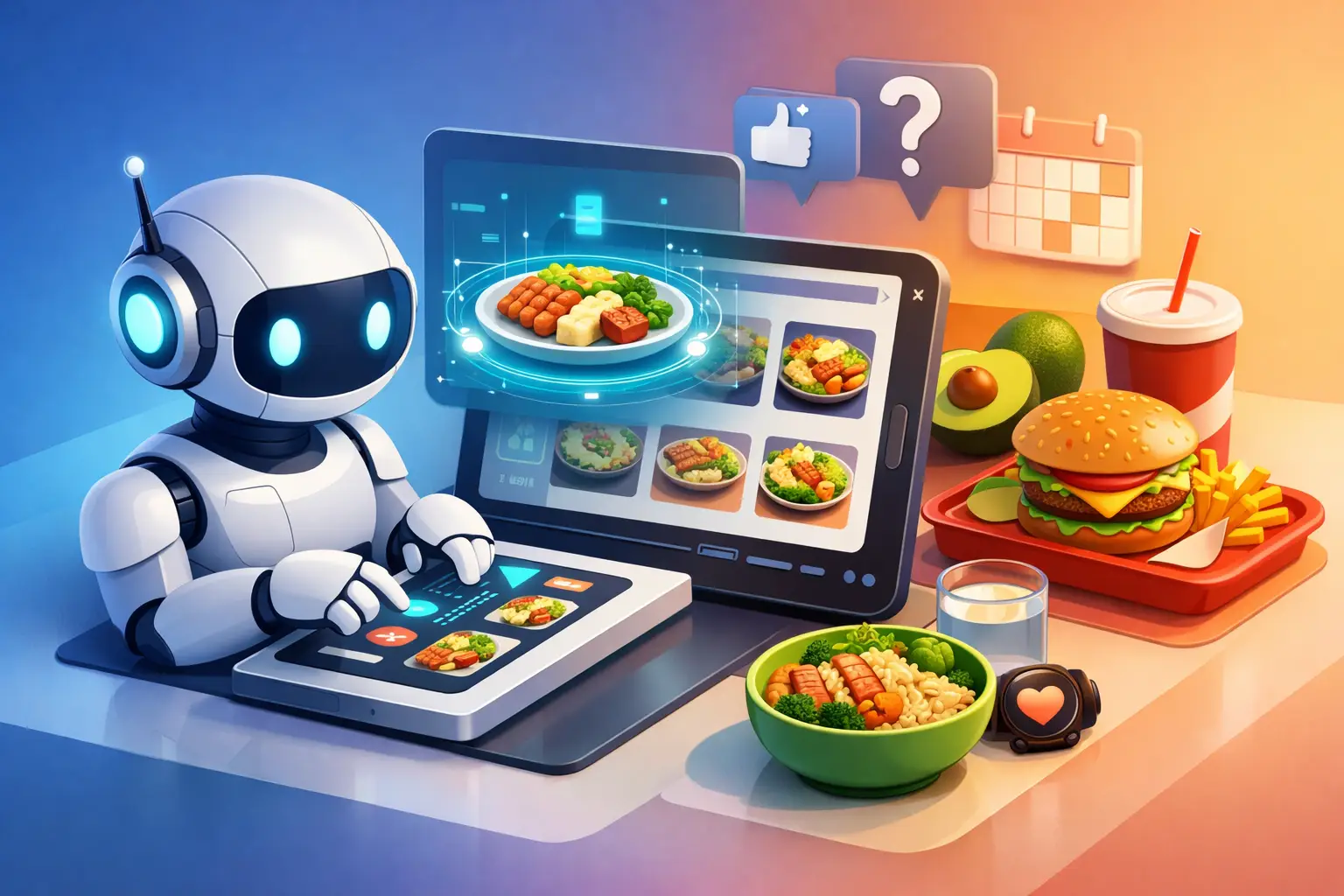
You can tell within about five minutes whether an AI meal planner is actually helpful or just very good at making pretty suggestions. If your app gives you a lentil salad when you feel sick, a 14-step dinner on a Wednesday, or meals built around ingredients you never buy, that AI meal planner review writes itself.
That is the real test. Not whether the interface looks clever. Not whether it can generate a week of meals in seconds. What matters is whether it makes eating easier when life is busy, your appetite is all over the place, or you simply cannot face deciding what to cook again.
AI meal planner review: what these apps actually do
Most AI meal planners promise the same thing. You tell the app your goals, food preferences, allergies and maybe your budget, and it creates meals or a full plan for you. Better ones go further. They adjust portions, track macros, suggest recipes from ingredients you already have and learn from what you skip, save or swap.
That sounds great on paper. In practice, the quality gap is massive.
A basic planner is really just a recipe database with a chatbot wrapped around it. It can produce a plan, but the plan often feels generic. A stronger app feels more responsive. It notices patterns. It understands that some days you want high-protein convenience, not a project. It gives options that match your energy, routine and appetite, not an imaginary version of you who meal preps happily every Sunday.
For GLP-1 users, this difference matters even more. A generic planner might still push large portions, high-fat meals or foods that are hard to tolerate when nausea kicks in. If an app ignores medication side effects, timing or symptom patterns, it may be technically smart but still not useful.
Where AI meal planners genuinely help
The best part of using AI for meal planning is not magic personalisation. It is reduced friction.
When you are tired, hungry, overwhelmed or trying to stay consistent, decision fatigue is the problem. AI can shrink that problem fast. Instead of staring into the fridge and hoping for inspiration, you get a shortlist. Instead of guessing how to increase protein, you get meals that already fit the brief. Instead of manually rebuilding your week after one missed food shop, the app can adapt.
That convenience is especially useful for people with changing needs. Maybe your appetite drops for two days and then returns. Maybe you need simpler breakfasts because mornings feel rough. Maybe you want to hit a rough protein target without obsessing over every gram. A good planner can meet you there.
There is also a quiet win that does not get talked about enough. These tools can help remove shame from food choices. If the app is built well, it does not lecture. It helps you pivot. Didn’t fancy the chicken bowl? Fine. Here are three easier options using what you already have. That feels much better than falling off a rigid plan by Tuesday.
The weak spots most reviews miss
An honest AI meal planner review has to talk about the cracks, because they show up quickly.
First, personalisation is often overstated. Many apps ask a few onboarding questions, then generate plans that still feel broad and repetitive. You may get variety in cuisine names, but not in actual usability. A teriyaki salmon bowl and a spicy tofu bowl are not meaningfully different if both require a full shop and 40 minutes of effort.
Second, many planners are too healthy on paper and not realistic enough in real life. They assume stable energy, predictable hunger and a kitchen stocked like a food content creator’s. If you are managing a demanding job, parenting, low appetite or medication side effects, those plans can feel oddly detached.
Third, food tracking features vary a lot. Some apps are strong on planning but weak on logging. Others have barcode scanning, image recognition and macro breakdowns, but the meal suggestions are bland. It depends what you need most. If you want one app to think and track, not all of them can do both well.
There is also the issue of local relevance. UK users know this pain. You scan a supermarket item and it is missing. The ingredients are American. The portions feel off. A planner may be clever, but if it does not recognise the food you actually buy from Tesco, Sainsbury’s, Aldi or M&S, the experience gets annoying quickly.
What makes an AI meal planner worth paying for
If you are comparing apps, stop looking for the one with the longest feature list. Look for the one that understands your actual barriers.
A useful planner should adapt to your routine, not just your goal. Can it handle low-effort meals? Can it reuse leftovers sensibly? Can it work with a small ingredient list? Can it suggest meals based on symptoms, appetite or cycle changes if those affect how you eat? These are the details that make an app feel supportive rather than performative.
The strongest products usually get four things right. They save time, reduce mental load, give realistic meal ideas and make it easy to change course without starting from scratch. Everything else is a bonus.
For GLP-1 users, there is an extra layer. The app should respect that eating can feel inconsistent. Some days the win is a balanced dinner. Some days the win is toast that stayed down. If a planner cannot flex around that reality, it will probably end up ignored.
AI meal planner review for GLP-1 users
This is where a lot of general reviews fall short. They assess AI meal planners as if everyone has the same relationship with food, hunger and routine.
GLP-1 users often need more than standard meal suggestions. Appetite can drop hard. Nausea can change what sounds tolerable from one hour to the next. Protein matters, but huge portions can feel impossible. Timing matters too. What worked the day before an injection may not work the day after.
That means the best app for a general fitness user may not be the best app for someone taking Wegovy, Mounjaro or Ozempic. A symptom-aware planner has a real advantage here. So does one that can support smaller portions, gentler foods and quick swaps without making you feel like you have failed some perfect plan.
This is why dual-purpose tools make sense. An app that can support medication-related needs and standard nutrition planning is often more useful over time, because people’s needs change. Sometimes you want aftercare support. Sometimes you just want dinner sorted.
Used well, AI can be brilliant here. It can suggest easier high-protein meals, account for foods you tolerate better, and help you avoid the cycle of skipping meals all day then feeling worse by evening. But only if the app is built with that lived reality in mind.
Who should use one and who probably should not
An AI meal planner is worth trying if you are tired of making food decisions, want more structure without a rigid plan, or need practical help turning nutrition goals into normal meals. It can also be great if you like guidance but do not want the cost or pressure of one-to-one coaching.
It may be less useful if you hate logging anything, have very complex medical dietary needs that require specialist advice, or expect the app to do all the work without any input. AI helps with direction. It does not replace judgement, medical support or the fact that your week can go sideways.
The sweet spot is someone who wants support, not control. Someone who wants options, not a lecture. Someone who wants to eat better with less faff.
So, are AI meal planners worth it?
Often, yes. But not automatically.
A good one can save time, cut through food indecision and help you stay more consistent with less effort. A bad one becomes another subscription you avoid opening. The difference usually comes down to realism. Does it fit your food, your budget, your schedule and your body as it is right now?
If you are choosing one, be picky. Look for flexible personalisation, UK-friendly food support, easy swaps and meal ideas that sound like something you would genuinely eat. If you are on GLP-1 medication, look even closer. Symptom-aware planning is not a nice extra. It changes whether the tool is useful at all.
Sillynutrition is one example of where this category is heading - less generic meal planning, more everyday support that adapts to your body, your appetite and your actual life.
The best app will not make you perfect. It will just make the next meal easier, and sometimes that is exactly the kind of help that sticks.